Advertisements
For many years, virtual private networks, or VPNs, were used only in companies to protect internal networks.
At a time when online personal data is a concern for many internet users, the use of a VPN is becoming increasingly widespread among individuals.
However, the usefulness of a VPN is not always understood and assimilated by everyone.
From its strict definition to its multiple uses, here's everything you need to know about VPNs before choosing one for yourself.
What is a VPN and how does this tool work?
Today, about a third of internet users use a virtual private network. Although its definition may seem complicated, a VPN is a very easy product to access. Complete and effective, it allows its user to stay secure while browsing the web.
Advertisements
It might be interesting to know how a VPN works technically. However, and fortunately, it's not necessary to understand how it works in order to use it.
What is the use of a VPN?
There are several advantages to using a VPN. The acronym stands for Virtual Private Network.
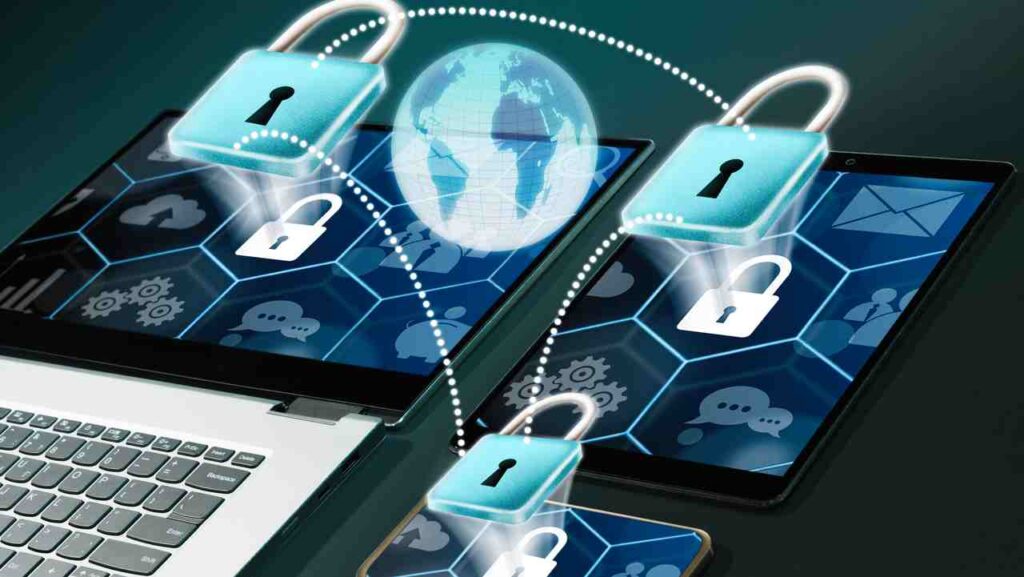
Specifically, it's software that creates a secure bridge between the user and the Internet. All information passing through it is encrypted, and a new IP address is created for the user.
Read also: What is IT support?
Regardless of the device on which the VPN is installed, its definition is the same.
This is because VPN software can be compatible with Windows, macOS, but also with a smartphone or tablet. We're talking about a VPN application.
Nowadays, it's possible to use your virtual private network in many ways, such as:
- your computer;
- your smartphone;
- your television;
- your game console.
In general, it is considered that all devices that connect to the Internet can protect themselves through a virtual private network.
However, it is still essential to first check the compatibility of the chosen virtual private network to avoid unpleasant surprises during use.
Understand how it works.
When a user uses a virtual private network, they are using a service provided by a VPN provider.
Each provider has a network of servers around the world. It is thanks to these servers that the VPN can offer secure browsing to its subscribers.
In fact, when you connect to a VPN and therefore to one of the provider's servers, your internet traffic passes through that provider's server before reaching the final website.
The latter, therefore, does not have access to the subscriber's original IP address. The same applies to the Internet service provider, which will lose control of the Internet user.
We then speak of tunneling because, instead of passing through the access provider, the traffic passes through a secure and encrypted tunnel to make the user and their search completely anonymous.
All of this is done without leaving any visible trace for the subscriber.
VPN: a tool that is still easy to use.
Its use is as simple to understand as its definition. Even people who are less comfortable with computers will be able to install a VPN, as the software is intuitive.
A virtual private network can be used on a tablet, computer, or smartphone. Generally, you just need to double-click with the mouse or on the screen to select the server and then connect to it.
Depending on their needs, the user can easily change the location of their server and thus take advantage of certain features.
Therefore, there is no reason to fear complex use of your virtual private network, as the software itself is actually very easy to use.
Furthermore, in case of problems, some providers offer customer support to guide internet users and resolve any issues encountered.
Many market leaders such as ExpressVPN, CyberGhost or NordVPN They have an online chat accessible at any time of day. A useful tool for getting help quickly.
What are the main advantages of a VPN?
Based on previous explanations about the meaning and functioning of a VPN, it is now clear that a Virtual Private Network encrypts data, protects user information, and provides a new IP address to the user.
Specifically, what are the main uses of a VPN and, above all, what can you do with it? Here are the main use cases for a virtual private network.
- Becoming anonymous while browsing the Internet;
- Lift the geographic restrictions on some websites;
- Protect yourself from cyber attacks.
This is just a non-exhaustive list, as the advantages of a VPN are many.
Become anonymous on the Internet through a virtual private network.
One of the main reasons why an internet user uses a VPN is undoubtedly to anonymize their passage through the network. This is because, as described above, a VPN creates a secure tunnel. It encrypts the user's data and makes them anonymous.
Therefore, when a subscriber connects to a non-private network, for example, no one can spy on their browsing. Contrary to popular belief, it is very easy for amateur hackers to see everything a user does through an insecure WiFi network.
In fact, if he doesn't have a VPN to protect himself, the user can easily have confidential information stolen, even if the hacker has minimal computer knowledge.
By encrypting data with a VPN, there are no more worries, as the VPN ensures protection on public WiFi networks.
It's important to keep in mind that using a VPN is one of the most ideal solutions for protecting your data online. The same applies to many other confidential pieces of information that may pass through the internet.
Improve download speeds with a virtual private network.
Finally, another important aspect of using a VPN should not be overlooked: risk-free downloading.
Even if downloading torrents, i.e., royalty-free downloads, is punishable by law, subscribing to a VPN still allows you to enjoy illegal downloads without getting caught.
For this reason, many users utilize virtual private networks to bypass blocks and download content anonymously. Since the VPN provider gives the user a new IP address, the real IP address is never revealed. This is, in fact, a major use case for VPNs.